
Achilles Tendinopathy – Causes and Treatments
Pain in the back of the heel that won't go away? Stiff and sore in the morning? Limping after you have been sitting for a while? If this sounds like you or someone you know – read on. You might have an Achilles tendinopathy. The Achilles tendon joins the calf muscles to the back of […
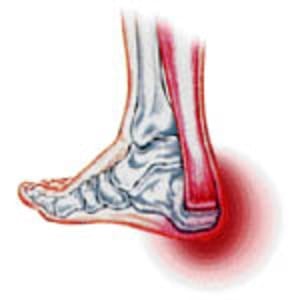
Pain in the back of the heel that won’t go away? Stiff and sore in the morning? Limping after you have been sitting for a while? If this sounds like you or someone you know “read on. You might have an Achilles tendinopathy.
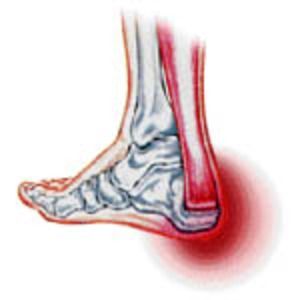
The Achilles tendon joins the calf muscles to the back of the heel. Its main function is to help you raise up onto your toes, run, jump and hop. Whilst in some circumstances it can rupture, requiring surgery, most of the time injuries in this area are due to a longer-term problem in the tendon structure itself. The most common being Achilles Tendinopathy.
Why is it sore when I haven’t injured it?
The problem is within the tendon structure itself. Some tendons react abnormally to exercise. Tendon cells called”tenocytes” control the environment within the tendon. Normally, when we exercise tenocytes increase key proteins in the tendon to make them stiffer and stronger. Unfortunately, sometimes the tenocytes get it wrong, get way too excited and too many protein cells are produced. Protein cells hold water within the tendon. The result is a tendon that is carrying too much water and can often feel swollen. These tendons get hypersensitive, have an unorganised structure, and don’t cope with exercising very well.
What causes Achilles Tendinopathy?
These changes do not occur in everyone and can depend on your genetic makeup.
The changes can occur due to:
- A change in or starting an unusual activity/exercise
- A change in biomechanics
- Resting after another injury
It is more common in people older than 20, post menopausal women, in those with an increased Body Mass Index and those with diabetes.
The good thing is that these changes can to a certain extent be reversed resulting in a pain free tendon.
Common and effective treatments include
- Modifying your activity for a period of time
- Using a heel lift in your shoe to help the pain settle
- Myofascial release of calf muscles
- Correction of altered biomechanics around the foot and the leg to normalise the load through the tendon
- Taping
BUT the most important treatment is to gradually “wake up” the tendon cells by completing a progressive tendon loading program. This is supported by strong scientific research.
The longer you leave a tendinopathy untreated the closer the tendon cells get to dying and the harder it is to get better “so get onto it ASAP so you can start on the road to recovery.
Written by
Read next
General guide for an Ironman triathlon nutrition strategy
Arguably the man and nutrition product of the moment is Darryl Griffiths from Shotz Sports Nutrition. One half of the team, along with wife Steph Griffiths, Darryl generally shuns marketing as he holds steadfast to the company's policy of being 100% for the athlete and does not want to be seenIronman Western Australia: Flat, Fast and Fierce in Busselton
From a scenic jetty swim to a wind-whipped bike and run, Ironman WA offers an iconic year-end test and a final shot at points on Australia’s west coast.
Noosa Triathlon: 5 Must-Do Experiences for the Ultimate Weekend
From soaking up Hastings Street energy to bargain-hunting at the Expo, these must-dos make your Noosa Triathlon weekend unforgettable.
10 Things You Must Know Before Stepping Off the Plane in Hawaii
From scorching heat to quirky island slang, these insider tips keep you sane, amused and ready for Kona’s triathlon madness.