
Study Shows 76% of US Sports Sponsor Food Ads are for Junk Food Products – Rudd Center for Food Policy & Obesity
Quick Summary: Researchers from the University of Connecticut’s (UConn) Rudd Center for Food Policy and Obesity found in a study that a whopping 76% of food ads from sports team and organization sponsorships in the USA featured junk food. 52.4% of beverage advertisements were for sugar-sweetened dri

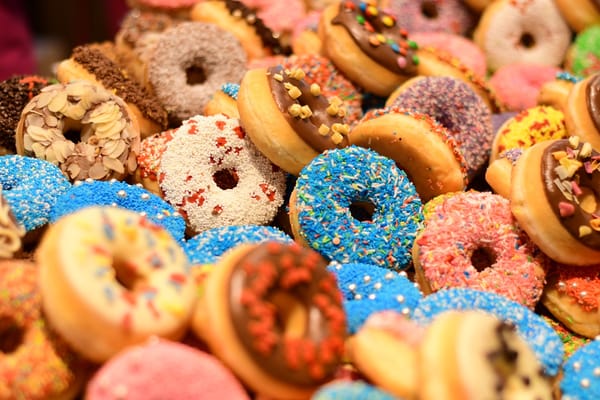
Quick Summary: Researchers from the University of Connecticut’s (UConn) Rudd Center for Food Policy and Obesity found in a study that a whopping 76% of food ads from sports team and organization sponsorships in the USA featured junk food. 52.4% of beverage advertisements were for sugar-sweetened drinks. The most prominent ads were for Betty Crocker’s Fruit Gushers and Fruit Roll-Ups. The study was published in the April edition of the journal, Pediatrics.
“The study provides the first comprehensive analysis of food and beverage sponsorships of US sports organizations. Food and beverage companies were the second largest category of sponsors, and the majority of food and beverages in sponsorship commercials were unhealthy,” wrote Rudd Center researchers.
The study focused heavily on sports organizations watched by a large number of children ages two to 17.
Should We Be Alarmed?: The short answer is yes. The study must be embarrassing to junk food peddlers and sports organizations alike. Health organizations have been complaining about junk food marketing in sports for a long time because children are watching and advertising works. Meanwhile, America is experiencing an obesity epidemic.
Junk food companies will, of course, position their support in a positive light. In response to the study, Hershey said they like to support “organizations that enable athletes to showcase their talents and serve as role models.” They also maintained that their snack foods are intended as treats and that it’s up to consumers and parents to prevent excessive indulgence.
Meet the Dunkin’ Donuts Running Shoes: Seriously! Boston shoe brand Saucony has just released a new Dunkin’ Donuts running shoe for the Boston Marathon. The heels are even painted in the likeness of pink doughnut frosting and sprinkles. The sides of the shoes read “Boston,” and the backs read “America Runs on Dunkin.” They retail for $110 USD per pair.
Saucony wrote in a tweet: “When you put in the work, you deserve the reward, and doughnuts are one of our favourite post-marathon treats. We collaborated with Dunkin’, a fellow Boston brand, to celebrate all things coffee, running and doughnuts. See what’s in the box tomorrow. #WelcomeToBoston #RunYourWorld”
The Verdict: Granted, corporate citizenship and sports funding can be great things. The problem is that corporations are legally hardwired to maximize profit. They typically won’t let an otherwise conscientious initiative go to waste by refusing to optimize it for a return on investment.
Hershey’s personal responsibility argument is a popular one in the USA, especially among political conservatives. The argument, however, ignores the basic principle of cause and effect. If you advertise your junk food products to children, then children will eat more junk food.
Marie Bragg, an author of the Rudd Center study, completely ruled out the consumer as the responsible party. She told CNN, “There’s a unique dynamic between the sports organizations and the food companies, and it’s hard to know who should take more responsibility for the problem or if both organizations — both sports organizations and food companies — should take equal responsibility,” she said. “I’m not totally sure what the answer is.”
Sports organizations sure have a dilemma on their hands. Sports are normally associated with health, fitness, and role models. Considering that, the percentage of ads devoted to unhealthy food and drink is outrageous. Refusing an enormous percentage of revenue, however, could lead to some people getting a pay cut, or to less sporting events. It’s a mess.
A junk food company will likely respond to a ban by finding another cause to support, one that will allow some quid pro quo action.
As for the Dunkin’ Donuts running shoes, it’s a partnership between two private companies. They’re essentially piggybacking on a famous sporting event and claiming all of the profit. That just leaves an awful taste in the mouth.
Written by
Read next
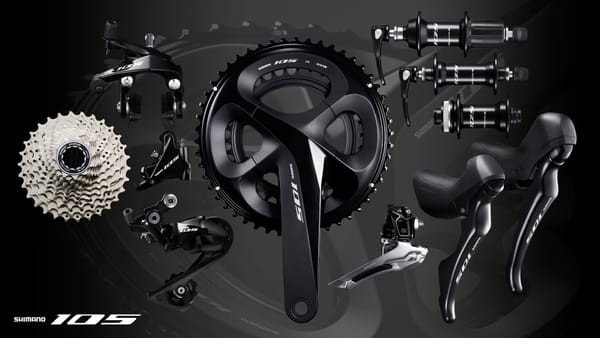
Shimano 105 R7000 Offers Race-inspired Performance for Greater Riding Styles
Today’s road riders demand much more than pure on-the-rivet speed. They expect comfort, control and versatility from their bikes, and enjoyment and goal achievement to boot. 105 level riders expect the latest pro-level features but they also want to do more with their bike than racing and training.The Open Secret: Doping's Uncomfortable Truth in Triathlon
One in five age-groupers are potentially doping, testing is basically non-existent, and we're all too busy checking our Strava segments to admit we've got a serious problem.
The Rise of Pro Age Groupers
John embodies a new breed of triathlete—amateur in status, pro in dedication—reshaping the sport’s competitive landscape.
Opinion: RaceRanger Is the Reckoning Non-Drafting Triathlon Has Been Crying Out For
RaceRanger's debut for age-group athletes challenges triathlon's status quo, demanding fairer racing, split fields and a return to individual effort in non-drafting competitions.
Ironman Western Australia: Flat, Fast and Fierce in Busselton
From a scenic jetty swim to a wind-whipped bike and run, Ironman WA offers an iconic year-end test and a final shot at points on Australia’s west coast.
Noosa Triathlon: 5 Must-Do Experiences for the Ultimate Weekend
From soaking up Hastings Street energy to bargain-hunting at the Expo, these must-dos make your Noosa Triathlon weekend unforgettable.
10 Things You Must Know Before Stepping Off the Plane in Hawaii
From scorching heat to quirky island slang, these insider tips keep you sane, amused and ready for Kona’s triathlon madness.