
How to Choose the Right Bike Based on Your Physicality and Avoid Injury
Learn how to choose the right bike based on your physicality and avoid injury with these top tips. The first step in preventing cycling injuries is to set your bike up correctly so as to minimise overloading any one part of your body. While awareness of proper setup has improved along with the explo

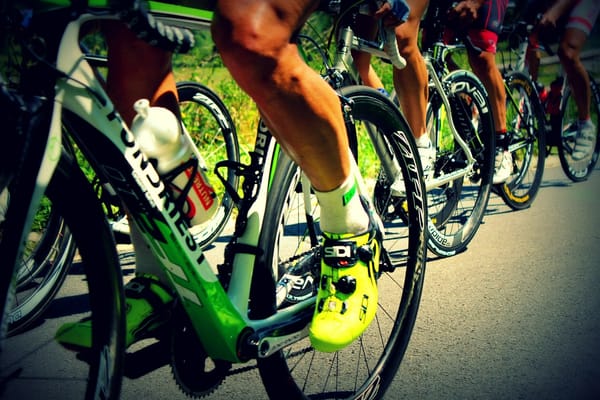
Learn how to choose the right bike based on your physicality and avoid injury with these top tips.
The first step in preventing cycling injuries is to set your bike up correctly so as to minimise overloading any one part of your body. While awareness of proper setup has improved along with the explosion in popularity of cycling in recent years, poorly set up bikes are still a major cause of problems in both cyclists and triathletes. That these problems tend to occur in the lower back and legs means they can also severely impact training for the run and swim legs of a triathlon.
On top of fitting you for the correct size frame and components, a good cycling store should be able to provide you with a basic bike setup when purchasing a bike. Many physiotherapists also now specialise in this area. Correct setup of your bike produces a few key advantages:
- The position and angle of your joints and muscles directly relate to the amount of power you can produce and the energy efficiency of your pedalling.
- Efficient muscle and joint effort to produce a given amount of power output reduce overload on tissues.
- Correct setup improves aerodynamics and minimises wind resistance, which accounts for the vast majority of energy loss in cycling.
If you haven’t had your bike set up correctly before, here are a few basic tips to start off:
- Foot/cleat position: To position the foot correctly, simply place the ball of your foot directly over the pedal axle, or slightly behind the pedal axle for smaller feet.
- Saddle position: Saddle position is divided into two key aspects: height, and front-back position. The tilt of the saddle should be kept within a few degrees of neutral.
A correct saddle position will maximise the use of the gluteals and calves and limit overload of the hamstrings. Depending on the type of riding (sprint or endurance), this will typically involve a very slight knee bend at the bottom of your pedal stroke, as well as some ‘pull-back’ on the bottom part of the down stroke. To attain this position, set your saddle height so that you can sit on the bike with the heel of your shoe resting on the pedal, your knee locked straight, and the crank arm perpendicular to the ground.
To determine the front-back position of your saddle, sit on the bike with pedals in the three and nine o’clock positions. Drawing a vertical line directly up through the pedal axle, the bump at the top of your shin (tibial tuberosity) should sit between zero and one centimetre behind this line.
Stem and handlebars: You should allow for a little variation with your stem and handlebar position. Set the stem height somewhere between two-to-five centimetres below the height of your saddle as a starting point. Generally, a higher handlebar and a longer stem will be more comfortable and reduce the chance of back pain but will be worse aerodynamically. Handlebars should be about the width of shoulders to maximise aerodynamics and the stabilising effect of your arms pulling on the bars.
Reach: The reach of your bike should be set so that your arms rest at 90 degrees to your torso. This minimises the effort required by the arms to support the weight of the body and improves the stabilising force of your arms and shoulders, improving the power of your pedal stroke.
While these guidelines should give you a good start in setting up your bike, there are some other things to think about that could steer you away from a ‘normal’ setup. All bodies are different, so for a more professional bike fit, consider some of the following when performing a setup:
- Are you generally quite flexible? How stiff are your spine and neural structures? Although a forward position can be more aerodynamic, you may be better to start with a relatively upright position until you improve the flexibility of your spine.
- Do you typically get tight in the hamstrings or calves when riding? If so, you may struggle with an elevated seat position.
- Do you find that your neck, shoulders and back are sore from riding? If sore, you may have too much reach, or your seat may be too high.
- How often and how far do you ride?
For a more in-depth bike fitting, it can be worth getting a video analysis to see if your setup allows you to maintain an ideal position and joint motion. Setup is critical to both injury management and performance, so I would always recommend doing a professional assessment if you’ve had an injury, if new to cycling, or if you’re looking for a slight competitive edge. Finally, remember that above all else your bike setup should be comfortable. Your body is an incredibly complex machine, and no amount of analysis should overtake the fact that your body doesn’t feel right in a particular position. Good luck and happy cycling.
Written by
Read next
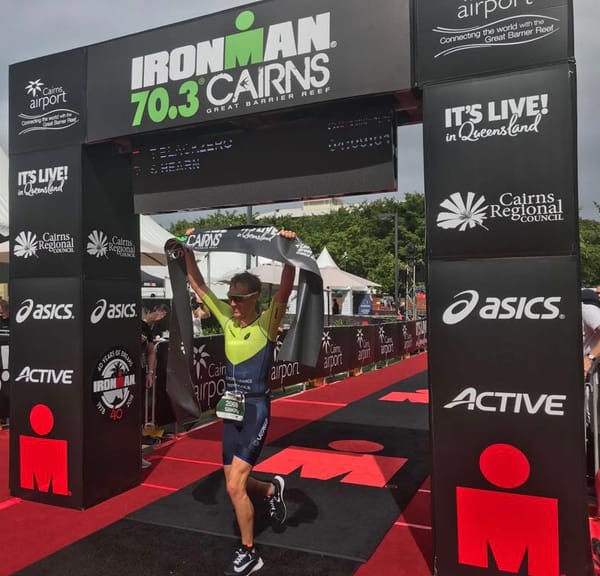
Ironman 70.3 Cairns: Simon Hearn and Laura Armstrong take the win
The Sunshine Coast’s Simon Hearn and Melbourne’s Laura Armstrong took the honours at IRONMAN 70.3 Cairns and their stunning performances earned them the reward of being the first competitors to be able to put their feet up, chill out and enjoy the remainder of the stunning racing unfolding at the CaIronman 70.3 Geelong: My Insider's Guide to Conquering the Course
Master the Ironman 70.3 Geelong course through a local's eyes before the world's best pros descend on Victoria for the 2025 Pro Series opener.
How to Get Tri Famous - Your 15 Seconds of Fame
Want to make the Ironman highlight reel? From epic finish-line dances to last-minute heroics, here are five sure-fire ways to get yourself featured in the official race coverage.
New Year, New Goals: How to Make Your Resolutions Stick in 2025
Stay on track with your 2025 resolutions by planning smart, breaking goals down, teaming up, and celebrating progress—because success is built on consistency, not perfection.
Ironman Western Australia: Flat, Fast and Fierce in Busselton
From a scenic jetty swim to a wind-whipped bike and run, Ironman WA offers an iconic year-end test and a final shot at points on Australia’s west coast.
Noosa Triathlon: 5 Must-Do Experiences for the Ultimate Weekend
From soaking up Hastings Street energy to bargain-hunting at the Expo, these must-dos make your Noosa Triathlon weekend unforgettable.
10 Things You Must Know Before Stepping Off the Plane in Hawaii
From scorching heat to quirky island slang, these insider tips keep you sane, amused and ready for Kona’s triathlon madness.