
Making the Leap from Age Grouper to Pro Triathlete
Discover the physical demands, mindset shifts and off-course responsibilities needed to make the leap from triathlon age grouper to professional athlete.


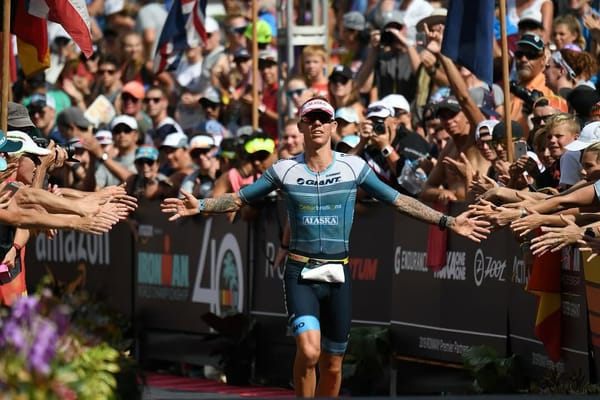
The leap from age group athlete to professional triathlete is a topic of much debate in the tri community. The transition is massive, not just in terms of performance but also in mindset, discipline and lifestyle. At what point should someone’s reality overtake their desire? What does it take to become a successful pro? Together with Tim Van Berkel, one of the most consummate pros in the sport, we explore what it takes to make the jump.
Differences Between Racing as a Pro and Age Group Racing
For age group athletes dreaming of going pro, understanding the key differences is crucial:
Competition: As a pro, you’re up against some of the most talented athletes in the world. These people often have genetics on their side and have developed massive “engines.”
Mentality: Pros live and breathe the sport. Desire, determination, and discipline separate the best from the rest.
Pressure: For a pro, racing is a livelihood. A bad day isn’t just disappointing; it affects your ability to pay the bills. You’re constantly pushing yourself to perform, in both training and racing. So make sure you aren't chasing the win to pay those bills as you will end up in the mental jousting match.
Physical Requirements to Be a Good Pro
The physical demands of being a professional vary depending on the race type and distance. Here’s what’s required:
ITU (Sprint and Olympic):
- A top-tier engine (Vo2 max 10/10)
- Ability to go near max repeatedly
- Exceptional biomechanical efficiency in the swim and run
Olympic Non-Drafting
- Same as ITU but with the added requirement of holding near-max effort for 1.5 to 2 hours
- Strength and flexibility for aero bike positions
Ironman 70.3
- A strong engine (Vo2 max 8/10)
- Strength and biomechanical efficiency, especially for the run
- Aerodynamics and efficiency on the bike
Ironman
- Moderate engine (Vo2 max 6/10)
- Incredible endurance and efficiency
- Strength and flexibility for sustained effort
- The ability to fuel efficiently and rely on fat for energy
- An “Iron stomach” to handle race nutrition
Off-Course Responsibilities of a Pro
The responsibilities of a professional triathlete extend far beyond race day. Here’s what it takes:
Build a Support Team: You need people who will keep you at your best—massage therapists, chiropractors, coaches and other positive influences.
Train Smarter: It’s not just about volume. You need to focus on quality and targeted improvements.
Recover Better: Your body is your tool, and fast recovery is essential.
Stay Disciplined Year-Round: Even during breaks, you need to stay on track.
Communicate with Sponsors: They’re investing in you, so keep them in the loop.
Gear Up: Invest in the best equipment you can afford—bikes, shoes, wetsuits—everything matters.
Visualise Success: Mental preparation is as critical as physical training.
Stay Emotionally Balanced: Avoid highs and lows that could derail your focus.
Plan Smart Travel: Limit travel fatigue by mapping out your season carefully.
Master Social Media: While it’s not everyone’s favourite, it’s crucial for connecting with fans and sponsors.
Take Ownership: Don’t rely on your coach for everything. Be proactive in your training and racing decisions.
Final Advice for Aspiring Pros
The best advice is to trust your training. Be consistent, disciplined, and enjoy the process. Triathlon is about self-improvement, and when you put in the work, the results will come. For anyone considering the jump, remember: being a pro isn’t just about speed—it’s about living and breathing the sport.
We hope these insights provide a clear picture of the commitment required to transition to the professional ranks. Whether it’s the physical demands or the off-course responsibilities, making the leap is a life-changing decision that requires complete dedication.
Written by
Read next
Optimising Recovery for Triathletes
Effective endurance training hinges on balancing stress with proper recovery to avoid fatigue and optimise performance.
Is Carbo-Loading As Straightforward As We Think?
Master glycogen replenishment without excess carbs, balancing fat utilisation and performance for optimal endurance results.
The Paralysis of Analysis: When Overthinking Derails Performance
Over-obsessing on data, gear, and rigid plans paralyses progress; focusing on simple habits, flexible training, and feeling your effort unlocks real gains.
Ironman Western Australia: Flat, Fast and Fierce in Busselton
From a scenic jetty swim to a wind-whipped bike and run, Ironman WA offers an iconic year-end test and a final shot at points on Australia’s west coast.
Noosa Triathlon: 5 Must-Do Experiences for the Ultimate Weekend
From soaking up Hastings Street energy to bargain-hunting at the Expo, these must-dos make your Noosa Triathlon weekend unforgettable.
10 Things You Must Know Before Stepping Off the Plane in Hawaii
From scorching heat to quirky island slang, these insider tips keep you sane, amused and ready for Kona’s triathlon madness.