
Fluid intake and sodium supplementation during training and racing
There has been much talk of late surrounding hyponatremia, fluid intake and sodium supplementation during training and racing. Hyponatremia is low blood sodium concentration, caused by water intake that exceeds requirements to the point where electrolyte (sodium) concentration is diluted. Enduranc

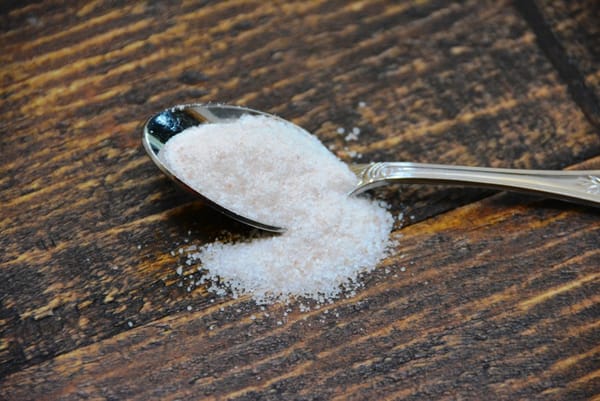
There has been much talk of late surrounding hyponatremia, fluid intake and sodium supplementation during training and racing.
Hyponatremia is low blood sodium concentration, caused by water intake that exceeds requirements to the point where electrolyte (sodium) concentration is diluted. Endurance athletes have long been given the information about not trusting our thirst mechanism statements like it is too late when you get thirsty” are commonplace in the endurance world. It is therefore a concern that people actually end up over drinking.
From a personal perspective, I totally agree with the fact that over-drinking has become a problem, especially in long distance triathlon and ultra distance running. We have been instructed to drink, drink, drink at every opportunity. This is a very blanket approach that doesn’t give nearly enough consideration to individual situations and differences that may influence one’s need to drink. Individual sweat rates are greatly influenced by humidity, temperature, effort levels, acclimatisation and dietary sodium levels to name a few. Thus to suggest a very generalised guideline about how much to drink is somewhat misleading, especially as those reading and strictly adhering to such information are typically less experienced and trained than others who have structured hydration plans developed through years of experience – and who are less likely to change their plan based on generalised information.
Over-drinking places a large strain on the gut. Early stages of over drinking can give GI (gastro-intestinal) distress/bloating and in extreme cases can cause hyponatremia. But on the other hand, if one gets too dehydrated during a race, it leads to an exponential reduction in performance. Considering these points, it is vital to get it right and something that should be tested as much as ones training!
Something that I personally use and recommend for my athletes is a fluid balance chart used regularly in training. This involves weighing yourself prior to and following each key session, then working out how much weight you have lost, taking into account intake of food and drink. With optimal hydration, you should be the same weight at the end of the session as you were at the start. This may sound complicated, but is a great learning tool for athletes and often gives them a sense of trust in the signs their bodies are giving them, engendering a better understanding of how to manage their bodies in different temperatures and humidity levels.
With regards to ‘salt tablets’: there are some conflicting views in the literature on their usefulness and place in endurance nutrition. Like any good peer review process, the debate rages on and will probably continue to do so for some time! People have recently been suggesting that some articles supporting ingestion of sodium during endurance competition are inconclusive, that there is evidence to suggest sodium ingestion is a waste of time, and that it has no affects on race performance or the likelihood of cramping.
I pay very close attention to research and how I can use it to improve my practice as a physio, a coach and an athlete. I read new research all the time to make sure I am up-to-date and progressive in my practice, as I strive to be the best practitioner, athlete and coach I possibly can be. That said, I also use my experience and that of respected others to plan the best possible decisions for treatment or coaching approach with clients. The experience of seeing, treating and hearing how clients have responded to my treatment or coaching methods over many years is a VITAL tool in the evidence-based practice approach – and is even more important in when the research literature is conflicting. In this particular matter, there is a long way to go before we’ll have any accepted theories in the research literature to work with – so my evidence-based stance now is to work with what I’ve seen, heard and personally experienced to be effective.
As just one example, I used to experience cramps during hot or humid training sessions and races. I then did a sweat test that not only measured my sweat rate, but also measured the electrolyte levels in my sweat and the results were very interesting. It turned out I had a sweat rate in the high end of the normal range, but I had a very high (well above the normal range) electrolyte concentration in my sweat. Based on this information I increased my sodium ingestion in hot races and training sessions, with excellent outcomes. While this, like a great deal of information around the topic, is anecdotal evidence the outcomes speak for themselves, which is good enough for me.
When this discussion was heightened in the middle of 2012 I did a poll of my own and asked as many professional middle and long course athletes as I could (close to thirty) their plans with regards to salt supplementation during races. Almost every single athlete I asked said they supplemented with sodium, especially in hot and/or humid races. This tells me that highly-trained, finely-tuned athletes with a good understanding of their optimal nutritional intake perceive that sodium supplementation is an important part of their race nutrition and performance. So while there is limited academic evidence to categorically support salt supplementation and some to suggest it has no benefit at all, there is very little likelihood that this will change a professional athlete’s race day nutrition – and it definitely won’t change mine.
Written by
Read next
Jesse Featonby and Kirralee Seidel win 2013 Chizhou ITU Triathlon Premium Asian Cup
Jesse Featonby overcame some challenging times to take out a career best result at the 2013 Chizhou ITU Triathlon Premium Asian Cup last weekend. With a great all round race Featonby found himself at the head of the race on to the run and never looked back. This is a strong result for Featonby and [Nutritional Faiths: How Modern Diet Trends Became Like Religion
It’s a whirlwind of health advice, where each new “nutrition faith” claims the truth, yet they all share the same core beliefs at heart.
Fuelling Recovery With These Nutrition Strategies
Effective recovery starts with balanced nutrition—combine protein, carbs and hydration post-workout to replenish glycogen, repair muscles and prepare for your next session.
Triathlon Nutrition Simplified: Grant's Guide to Eating Right
Triathlon coach Grant demystifies nutrition essentials for peak performance, emphasizing clean eating, protein's pivotal role, and the importance of good fats.
Ironman Western Australia: Flat, Fast and Fierce in Busselton
From a scenic jetty swim to a wind-whipped bike and run, Ironman WA offers an iconic year-end test and a final shot at points on Australia’s west coast.
Noosa Triathlon: 5 Must-Do Experiences for the Ultimate Weekend
From soaking up Hastings Street energy to bargain-hunting at the Expo, these must-dos make your Noosa Triathlon weekend unforgettable.
10 Things You Must Know Before Stepping Off the Plane in Hawaii
From scorching heat to quirky island slang, these insider tips keep you sane, amused and ready for Kona’s triathlon madness.