
Strength Training for Age-Group Triathletes
While consistent training is vital, endurance athletes can achieve substantial progress by optimising their sessions with strength-building tricks, emphasising the importance of recovery and strategic workouts.
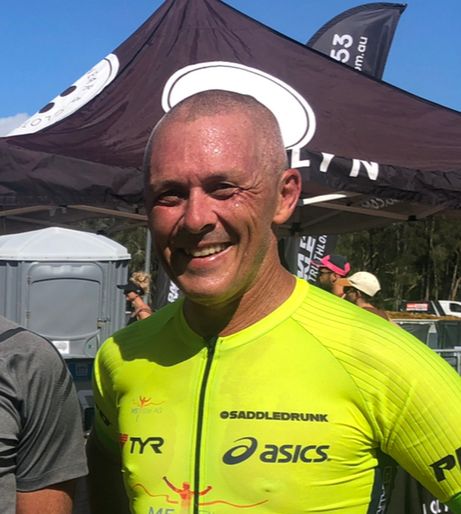

Strength is important for endurance athletes and takes time to generate, but there are a few tricks, that will help you maximise your training time.
I drive my coach crazy asking to train more, but I am slowly learning that training smarter is better than training harder. There are many days when the body just isn’t up to the task of training, and sitting at your local cafe will be of more benefit than flogging a dead horse, so to speak.
For the majority of age-group triathletes who have full-time jobs and a family, it is important to make the most of any training time. While it is important to do long, slow sessions to build endurance, there are a few tricks of the trade’ that I have picked up over the years to build strength endurance without having to swim endless laps of the pool, ride for hundreds of kilometres and run for hours on end. Here are a few for your consideration.
Swim
Swimming strength is important, as, come race day, it will allow you to combat choppy seas and the whitewater of a mass swim start. A big part of my swimming involves using a band to hold my ankles together with a pull buoy and hand paddles to build strength. Doing a one-kilometre swim of 10 times 100-metre efforts with just five seconds rest will give you the same strength workout as swimming 1.5 kilometres.
Bike
Long rides are great to build up strength and muscular endurance; however, for those wanting to improve, big-gear hill repeats can also replicate the aforementioned training effects. Triathletes have been using this type of session for years, as doing seated climbing in a big gear (usually 60-to-70 cadence) helps to build leg strength, which usually only comes from long hours out riding.
Run
A great way to get more out of your run is to add interval repeats. These are great to do on the treadmill and help to improve your speed and leg turnover. A simple speed session of 10 times one-minute on and 30 seconds off at just over race pace speed will help you to run faster come race day.
Recovery
The biggest part of endurance sports training is doing the right recovery. Your ability to recover plays a big role in injury prevention and how well you can back up for your next session. Stretching, sleeping and hydration are the key points to focus on. If you are feeling particularly tired, then often a simple stretch session will be much more beneficial for you than a training session on an already tired and fatigued body. Often the hardest thing for any triathlete is knowing that you might just need a day or two off in order to help the body recover and refocus.
The important message is that more is not always better. If you can learn to train smarter and make the most out of every session, then you will see big gains. After all, everyone can do the work but it is those who train smarter who see the biggest improvement.
Written by
Read next
Optimising Recovery for Triathletes
Effective endurance training hinges on balancing stress with proper recovery to avoid fatigue and optimise performance.
Is Carbo-Loading As Straightforward As We Think?
Master glycogen replenishment without excess carbs, balancing fat utilisation and performance for optimal endurance results.
The Paralysis of Analysis: When Overthinking Derails Performance
Over-obsessing on data, gear, and rigid plans paralyses progress; focusing on simple habits, flexible training, and feeling your effort unlocks real gains.
Ironman Western Australia: Flat, Fast and Fierce in Busselton
From a scenic jetty swim to a wind-whipped bike and run, Ironman WA offers an iconic year-end test and a final shot at points on Australia’s west coast.
Noosa Triathlon: 5 Must-Do Experiences for the Ultimate Weekend
From soaking up Hastings Street energy to bargain-hunting at the Expo, these must-dos make your Noosa Triathlon weekend unforgettable.
10 Things You Must Know Before Stepping Off the Plane in Hawaii
From scorching heat to quirky island slang, these insider tips keep you sane, amused and ready for Kona’s triathlon madness.