
Beginner’s Guide to the Getting the Best Bike Training
Dive into a beginner’s guide on preparing for the bike leg of a sprint-distance triathlon, emphasising the importance of viewing the triathlon as a cohesive unit and structuring your training around transition, aerobic, threshold, and strength sessions.
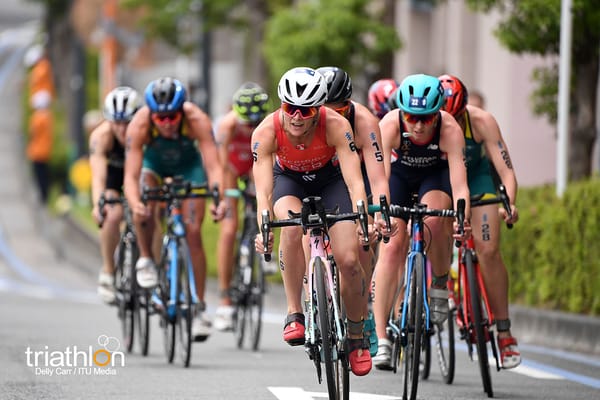
So you’re contemplating your first sprint-distance triathlon and you want to know how to go about preparing for the bike portion of the event. The first thing to recognise is that a triathlon is an event onto itself. The individual legs make up the whole, and shouldn’t be viewed in isolation, as swimming impacts on the ride, which impacts on the run and so on.
Tip number one: don’t think of the individual legs in isolation. The cross-training effect from one will impact the other, so build this into your training session(s) where appropriate with transition sessions – swim to bike to run on multiple shorter reps. ‘Brick’ sessions are also helpful and can comprise of a medium-to-long ride, followed by a run in sequence, which will prepare your legs for the rigours of running off the bike with fatigued legs. This is very important because the experience is completely different from running fresh.
So, what should a beginner’s bike training program look like for a sprint-distance event? First and foremost, include a longer aerobic ride. If you want to race over 20-kilometres, you need to have ridden aerobically over 40-to-50 kilometres in training (1.5-to-two hours in duration). Vary this ride from flat terrains, to undulating and hilly terrains, but most of all do the vast majority of this ride at a relatively easy, aerobic pace. Most people leave this for Saturday mornings, so when they go for a long, aerobic run on Sunday, a little bit of fatigue is carried over, providing a taste of running on pre-fatigued legs.
The second most important session of the week for the neophyte triathlete is the midweek brick. Ride for anywhere between 45-to-75 minutes at an aerobic pace, with some shorter race-pace efforts included, then get off the bike and run for 10-to-30 minutes. As you’re getting closer to race day, practise running off the bike for one-to-two kilometres at your predicted race pace, then dial the pace back down to a comfortable aerobic pace to finish off.
Threshold and strength-endurance rides
These rides are the ‘quality’ rides of the week, and should be harder and more intense, taking a little longer to recover from.
Strength-endurance rides have you gearing up in to higher gears, in a seated position and grinding out repeats up a moderate gradient hill with a lower than optimal cadence (65-to-80rpm depending on the background and maturity of the rider).
If you’re relatively new to cycling, keep the cadence up closer to 80rpm. However, if you’ve got some miles in your legs, drop it down closer to 65rpm. The same thing applies with the number and duration of repetitions. More mature athletes preparing for a sprint race can probably cope with six-by-six minute repetitions, whereas newbies will have had enough after four-by-four minute efforts.
Threshold rides are the ‘huff and puff’ sessions on the bike. The other three rides focus on building local muscular endurance and specific cycling strength, whereas the threshold sessions are aimed at improving cardiovascular fitness specific to cycling. Here you’re riding at, or slightly above, your proposed race-pace/heart rate training zone. Again, your cycling background will determine how much you should do. Someone with limited background might punch out four-by-four-kilometre efforts over a flat terrain with a two-to-four-kilometre ‘float’ (easy ride) in between each effort. A more established rider, however, should be aiming to repeat six efforts of five-to-six kilometres in duration, with a one-to-two kilometres float between each repeat.
Provided you apply the principal of ‘progressive overload’ – making your training progressively harder (over time) – with adequate rest and recovery scheduled into the program you can’t go too far wrong.
How hard is hard enough?
The vast majority of people I deal with go too hard, too often. As such, they end up doing their longer, easier sessions too hard, which leaves them severely fatigued and affects their ability to do the shorter, more intense sessions at an adequately high enough intensity. So, all of the training becomes a bit wishy-washy. Then when it comes to racing, lo and behold, their racing reflects their training – wishy-washy and sub-par.
So the easiest way of getting a handle on how hard to ride, is to simply go out and do a time trial.
After you’ve warmed up, ride a flat course as hard and as fast as you possibly can for 30-to-40 minutes. This should approximate your anaerobic threshold – an exercise intensity measured as a heart rate and/or power output that you can sustain. Then work off percentages of this to determine the training zones for the various sessions.
You should be doing your warm-ups and cool downs at around 70-to-75 per cent of your threshold heart rate, your longer aerobic endurance sessions at 80-to-85 per cent of your anaerobic threshold and your threshold sessions at 95-to-100 per cent of this figure. Simply slot those training zones into your program and off you go.
When do you do these different types of sessions?
This depends on other facets of your training program (swims, runs, resistance training, etc.), as well as timing of your race schedule and phase of your training. A typical program, with the sessions outlined above for cycling, would look something like this:
Tuesday: Threshold ride: When your legs are relatively fresh so you can push your heart rate up to the designated training zones.
Wednesday: Aerobic brick: This isn’t as intense as yesterday’s ride, allowing your legs to recover while still building skeletal-muscular endurance and pre-fatiguing them before getting off the bike and running. This session specifically prepares your legs for the rigours of running off the bike, which you’ll experience on race day.
Thursday or Friday: Strength-endurance ride: With this ride, disregard your heart rate response, which shouldn’t get too high anyway. Focus on turning over a big gear while in the saddle and grinding away. The key to this is involving as much muscle mass in the execution of the ride as possible, building specific strength through your cycling muscles, so that when allowed full recovery you’ll be able to hammer a big gear during a time trial.
Saturday: Long, aerobic ride: This ride is all about building time in the saddle and teaching your body to utilise fat more effectively and spare muscle glycogen. The more effective your aerobic infrastructure becomes, the more effectively you’ll dissipate lactic acid at higher exercise intensities when race day rolls around.
So there you are. In this article we have covered the basics of building your very own sprint-distance bike-training program. Naturally you’ll have to tweak things for your own specific circumstances, but the foundations are there. Go get ’em!
Written by
Read next
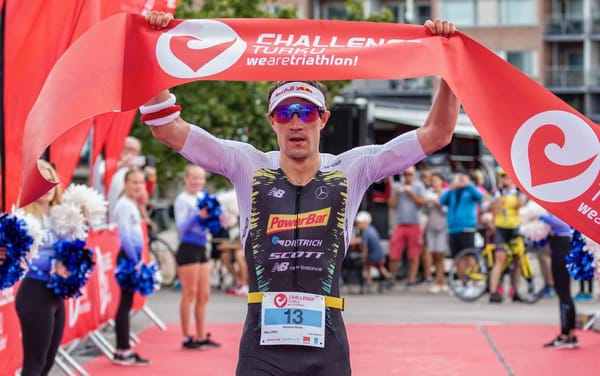
Kienle wins Challenge Turku and shares the leading position with Pablo Gonzalez Dapena in the Challenge Family World Bonus
Kienle wins Challenge Turku and shares the leading position with Pablo Gonzalez Dapena in the Challenge Family World Bonus – Yvonne van Vlerken increases her lead in the female ranking Sebastian Kienle did what he came to do and took the win at CHALLENGETURKU this weekend. The 250 points earneOptimising Recovery for Triathletes
Effective endurance training hinges on balancing stress with proper recovery to avoid fatigue and optimise performance.
Is Carbo-Loading As Straightforward As We Think?
Master glycogen replenishment without excess carbs, balancing fat utilisation and performance for optimal endurance results.
The Paralysis of Analysis: When Overthinking Derails Performance
Over-obsessing on data, gear, and rigid plans paralyses progress; focusing on simple habits, flexible training, and feeling your effort unlocks real gains.
Ironman Western Australia: Flat, Fast and Fierce in Busselton
From a scenic jetty swim to a wind-whipped bike and run, Ironman WA offers an iconic year-end test and a final shot at points on Australia’s west coast.
Noosa Triathlon: 5 Must-Do Experiences for the Ultimate Weekend
From soaking up Hastings Street energy to bargain-hunting at the Expo, these must-dos make your Noosa Triathlon weekend unforgettable.
10 Things You Must Know Before Stepping Off the Plane in Hawaii
From scorching heat to quirky island slang, these insider tips keep you sane, amused and ready for Kona’s triathlon madness.