
Intrinsic Vs Extrinsic thinking when Swimming in the Open Water
Open water swimming is the number one thing people are afraid of when it comes to race day. Â Whether it is the deep water, getting hit or kicked, large fish, swallowing water or just the unknown, open water swimming is one thing that creates anxiety like no other element of triathlon. An athlete ca

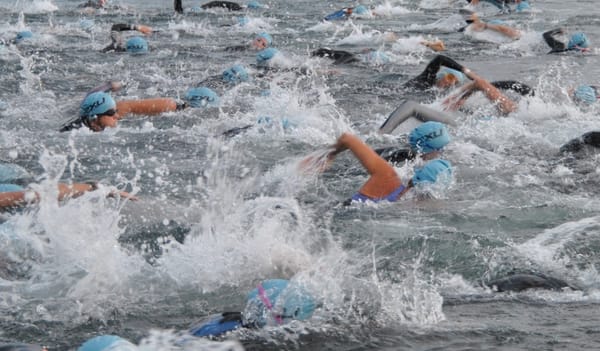
Open water swimming is the number one thing people are afraid of when it comes to race day. Whether it is the deep water, getting hit or kicked, large fish, swallowing water or just the unknown, open water swimming is one thing that creates anxiety like no other element of triathlon.
An athlete can lose many minutes during a race and use huge amounts of anxious energy if they don’t have control of this element of race day.
I have spent many hours with people trying to overcome their fears and maximise their performance, not only with beginner triathletes, but also very experienced ones, who still struggle with this part of their race.
The number one piece of advice that helps more than any other (and can be applied to the rest of the race also) is staying Intrinsic with their thoughts rather than Extrinsic.
A few good examples of thought patterns in Open Water Swimming are:
Extrinsic: What if I get kicked, I wonder what is under the water, how long is this swim taking, where are other athletes etc.
Intrinsic: what do I need to do NOW to make this swim better, thinking about staying on someone’s feet to draft, thinking of sighting well to stay on course, holding technique, observing where waves are coming from and so on.
When the athlete is staying Intrinsic with their thoughts patterns, they are much more likely to keep have a better swim, as they are focusing on the elements or the processes that make a difference to performance. However, when the athlete drifts onto the things they can’t control, it typically raises anxiety levels and shifts focus away from these key processes.
Like most things, perfecting this skill requires practice. It also requires the athlete to be very self aware of their thoughts. This then empowers them to make changes when these extrinsic thoughts come in, as they invariably will from time to time, even in the most experienced athlete.
So next time you swim, make sure you are aware of what you are thinking about, not just when you are in the water, but also prior to the swim. Identify what are the few things that you need to keep thinking about while you are swimming that will make a difference to your performance. This will go a long way to keeping anxiety low and also maximising your open water ability!
And remember, Swim Smart, Race Fast!
Written by
Read next
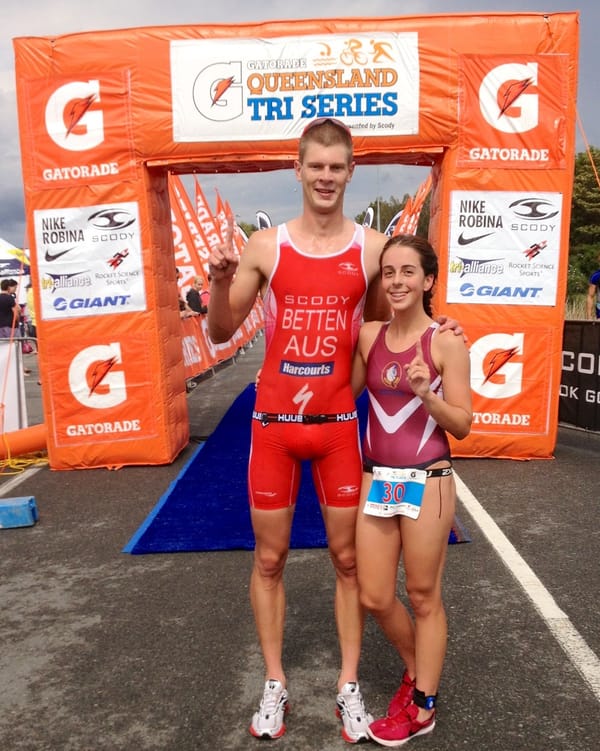
Sam Betten and Brittany Dutton win Gatorade Queensland Triathlon Series Race 2
Race 2 of the Gatorade Queensland Triathlon Series (Robina event) was conducted under some rather heavy looking weather yesterday, however the event went ahead without too much rain. The event, just like event 1, sold out, with a record 1,700 entries. This is the first time Robina has sold ouIronman Western Australia: Flat, Fast and Fierce in Busselton
From a scenic jetty swim to a wind-whipped bike and run, Ironman WA offers an iconic year-end test and a final shot at points on Australia’s west coast.
Noosa Triathlon: 5 Must-Do Experiences for the Ultimate Weekend
From soaking up Hastings Street energy to bargain-hunting at the Expo, these must-dos make your Noosa Triathlon weekend unforgettable.
10 Things You Must Know Before Stepping Off the Plane in Hawaii
From scorching heat to quirky island slang, these insider tips keep you sane, amused and ready for Kona’s triathlon madness.