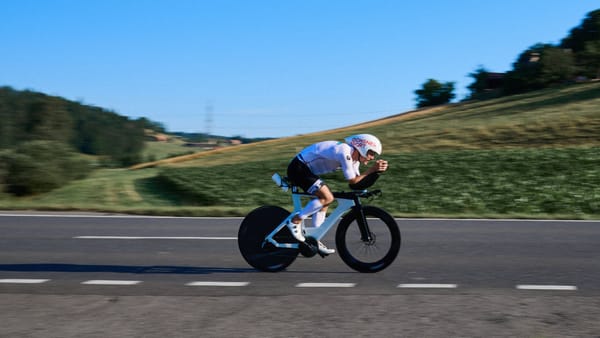
Training Is Ventilation A Useful Marker For Use In Within-Session Intensity Regulation? Our Recent Durability Study Suggests It Is Research on how prolonged exercise affects physiological thresholds, finding that a steady ventilation rate could provide real-time intensity regulation and training load monitoring for athletes. By Daniel Plews • 3 years ago
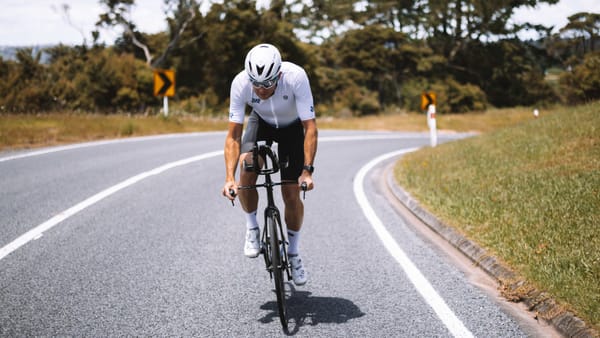
Decoding Power Profiles for Maximum Impact Power profiling, a field-based method that quantifies the relationship between maximum sustainable power output and time, provides an alternative to laboratory-based assessments for athletes, aiding in training, performance monitoring and potentially assessing 'durability' in endurance sports.
Sep 12, 2023 Is Ventilation A Useful Marker For Use In Within-Session Intensity Regulation? Our Recent Durability Study Suggests It Is Research on how prolonged exercise affects physiological thresholds, finding that a steady ventilation rate could provide real-time intensity regulation and training load monitoring for athletes.
Aug 29, 2023 Decoding Power Profiles for Maximum Impact Power profiling, a field-based method that quantifies the relationship between maximum sustainable power output and time, provides an alternative to laboratory-based assessments for athletes, aiding in training, performance monitoring and potentially assessing 'durability' in endurance sports.
Aug 22, 2023 Unveiling the Potential: New Research on Fat Oxidation at Higher Exercise Intensities Exploring the impact of low-carbohydrate diets on substrate oxidation rates during exercise, Noakes and Volek highlight surprising increases in fat oxidation rates, even at high intensities, challenging traditional understandings of metabolic fuel use.
Aug 22, 2023 Jan van Berkel's 8-Year Marathon Training Evolution Over 8 years of coaching, professional triathlete Jan van Berkel transformed from a sub-3 hour Ironman marathoner into one of the world's premier long-distance runners, claiming 4 victories at Ironman Switzerland through unwavering consistency and a meticulous training approach.
Jun 27, 2023 Carbohydrate ingestion rates during exercise: 90 vs 120 grams per hour – which is best? Recent research challenges the notion that ingesting more than 90 grams of carbohydrates per hour during exercise boosts performance.
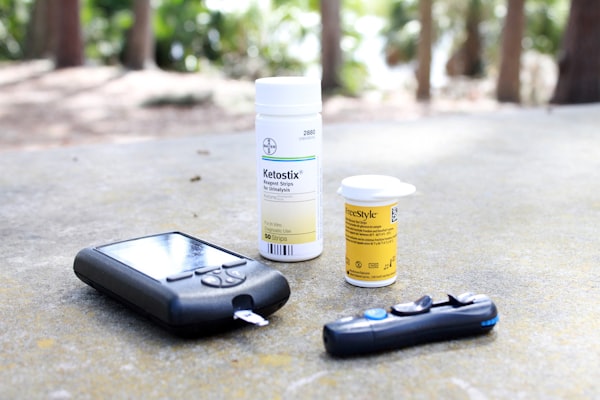
May 29, 2023 Are all Exogenous Ketones Created Equal? Ketone esters may enhance endurance and aid in training adaptation, particularly when used in recovery. Photo: Mykenzie Johnson / Unsplash
May 16, 2023 Exogenous Ketones and EPO boosting - Worth the Hype? Exogenous ketones, particularly ketone monoesters, may stimulate the production of EPO, potentially enhancing red blood cell count and endurance performance.
May 10, 2023 Having a Well-Developed Capacity for Fat Metabolism Might Help You Train More Being a good fat burner may have advantages for long-distance triathletes on race day and may also help us accumulate the large training volumes we need to prepare for those long race days.
Apr 27, 2023 How Much Does Recombinant EPO Impact Performance? Erythropoietin (EPO) is a hormone that increases red blood cell production, enhancing endurance performance by improving oxygen delivery to muscles, making it a popular choice for athletes. Photo: Diana Polekhina / Unsplash
Apr 26, 2023 Interpreting Shifts in Blood Lactate Profiles Understanding shifts in blood lactate profiles can provide insight into an athlete's physiological adaptations to training and help to interpret changes in performance.
Mar 22, 2023 Maximal fat oxidation rates: What does it mean, what does it tell you? Having a high capacity for using stored fat energy is important for long-distance triathlons, as our stored fat is effectively unlimited during exercise, while stored carbohydrate reserves are finite.