
How to Build Strength on the Bike
Triathletes can utilise the winter break to boost bike strength and power with strategies like hill reps, targeted gym exercises, trainer sessions, bike-specific training blocks, and power meters, even on limited schedules.
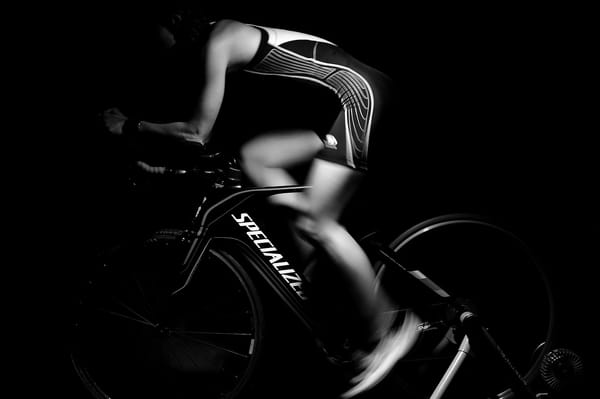
Taking a break from triathlon over the winter months? Put this time to good use and learn how to build strength and power on the bike.
How do I build strength on the bike? This is probably the question I get asked the most as a coach, and it’s the toughest to answer – especially when dealing with time-poor athletes, as biking is so time-consuming and few of us have the time to tap out two-to-three hour rides in the hills each day to gain the necessary strength needed to improve our ironman or half-ironman bike time.
As a pro athlete, it’s quite easy to lay down a strength-specific bike block to top things up if needed, which generally takes four-to-five weeks of specific work, provided the athlete has a good five-year base behind them. As an age grouper though, a 600-kilometre strength-focused week is not realistic. So, how do you build strength from a 200-kilometre bike week?
This is a tough proposition, but here are a few tips to increase your strength and hopefully improve your bike time. I am not saying that you will be pushing a 58-tooth chainring and riding at 45km/ph, but even if we’re just squeezing a small amount of juice from the orange, we are still getting somewhere.
Hill reps
This is probably the best way to increase strength. It is the most used and the most uncomfortable – but generally, the sessions that you find the most uncomfortable are the most beneficial. I see hill reps as the paddles/band session you do in swimming converted to cycling. Both sessions add specific stress on certain muscle groups of the body that are critical to the areas that need to be worked.
Much like this swim session will add stress to the shoulders/back/core, strength sessions on the bike will increase the work on the glutes and hamstrings, which is where the main power on the bike comes from. In saying this, when doing strength efforts it’s important to stay seated and place the chain ring in a large gear (one that is hard to pedal). If you have a cadence meter on your bike computer you will want to see around 60-to-70 RPMs on it while you are in the saddle. A gradual climb of around two-to-three kilometres is perfect for this session and should be completed two-to-three times with a submaximal heart rate of around 70 percent of your maximum. This effort should not be a lung-busting torture test, as it’s not designed to stress the cardio system but to build the muscular and central nervous system.
Gym
Hit the gym for an extended period of time during a break in racing and focus on specific muscle groups like the glutes, hamstrings and lower back. Not only will this assist with the increase in power development but also, perhaps, more importantly, it will help in the prevention of injury through strengthening the associated tendons and connective tissue around the muscle groups. This type of program should only be attempted after a consultation with a qualified coach or PT who can guide you through these exercises and ensure they are done correctly. I am a big believer in the benefits of a well-constructed and consistent weights program periodised with a structured program within the training phases.
Trainer sessions
Most people refer to these as the Devil. They are widely detested, particularly by athletes with sadistic coaches who program two-to-three hour solo sessions on the machine. As for strength benefit, these sessions are great as strength endurance sessions and can be added in if you find it hard to get to the hills. Just drop the gear down, stay in the saddle, and get the heart rate into the zone that you need.
Generally, trainer sets are a strength session in and of themselves as there is no freewheeling, no traffic lights and no downhills so you are constantly placing power down in a consistent manner. So, if you are time poor, increase your trainer sets during the week for a short block of time to increase strength. Double bike days are a good way of increasing your kilometres without having to utilise a three-to-four hour block of time. If you are crazy enough to double down and do two sessions in a day, then go for it as the benefits will show in your riding.
Block it up
Talk to your coach if you have one, or if not, plan a bike-specific block into your schedule. The only downside to this is that you might have to drop a few swim and run sessions. This is fine as long as they don’t drop off completely as the fitness will still be there from the increased bike mileage. This type of block should be done in the offseason for a few months. Don’t go overboard as a small increase in training of a particular discipline will have other effects on the other two disciplines – so plan it well and do it smart.
Use a power meter
This relatively new tool is great for monitoring power in training and providing a realistic target to attain and race to in a long-distance competition. It can be used in training for gradual goal setting and to set targets that are attainable and realistic for the athlete. By setting incremental power targets over a longer period of time, you should be able to hit an increased and ‘visible’ goal.
Written by
Read next
Major League Triathlon Adds 3rd International Team
Major League Triathlon, the first and only professional triathlon league in North America, has announced a 9th team (3rd International franchise) for the 2018 season. For the first time in the league’s history, a National team from Mexico will participate in MLT. The new franchise, dubbed, GuardianeOptimising Recovery for Triathletes
Effective endurance training hinges on balancing stress with proper recovery to avoid fatigue and optimise performance.
Is Carbo-Loading As Straightforward As We Think?
Master glycogen replenishment without excess carbs, balancing fat utilisation and performance for optimal endurance results.
The Paralysis of Analysis: When Overthinking Derails Performance
Over-obsessing on data, gear, and rigid plans paralyses progress; focusing on simple habits, flexible training, and feeling your effort unlocks real gains.
Ironman Western Australia: Flat, Fast and Fierce in Busselton
From a scenic jetty swim to a wind-whipped bike and run, Ironman WA offers an iconic year-end test and a final shot at points on Australia’s west coast.
Noosa Triathlon: 5 Must-Do Experiences for the Ultimate Weekend
From soaking up Hastings Street energy to bargain-hunting at the Expo, these must-dos make your Noosa Triathlon weekend unforgettable.
10 Things You Must Know Before Stepping Off the Plane in Hawaii
From scorching heat to quirky island slang, these insider tips keep you sane, amused and ready for Kona’s triathlon madness.