
Nutrition tips to maximise your race day performance
While it is vital that the diet of a triathlete is balanced nutritionally on a day to day basis, there is no doubt that there are certain things triathletes can do immediately pre race to optimize performance.
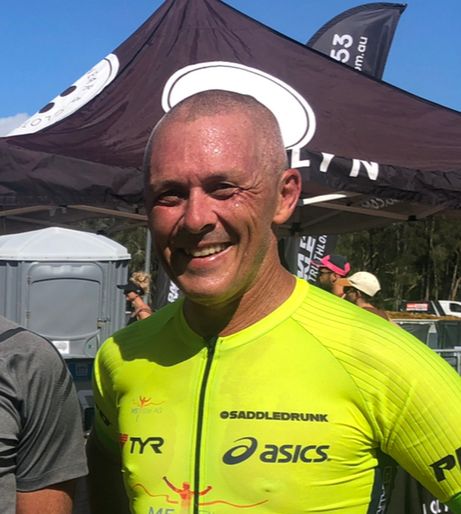

While it is vital that the diet of a triathlete is balanced nutritionally on a day to day basis, there is no doubt that there are certain things triathletes can do immediately pre-race to optimize performance.
Preparation for the longer distance events can begin about 2-3 days before the big race when carbohydrate loading can occur. In my experience, there are mixed thoughts on the idea of carbohydrate loading before a race. Carbohydrate loading refers to significantly increase the consumption of carbohydrate foods in conjunction with the training taper. This increase in available fuel, without a simultaneous increase in fuel usage, sees the muscles retain more glycogen and hence theoretically increases the amount of muscle fuel available during the race. To correctly carbohydrate load, you need to first determine how many grams of carbohydrate you are usually consuming (usually between 6-8 grams per kilogram of body weight for an athlete training 3-4 hours each day) and then increase it by 2-3grams per kilogram ie to 8-10 grams of carbohydrate per kilogram. Remember to always trial carbohydrate loading in a race simulation before trying it for a big event to make sure you find it beneficial.
There is some evidence to show that a mild fluid load the day before an endurance event sees the body retain slightly more water than usual. There is the potential to overload so remember a moderate increase is all that is required. For example, drinking one litre more than you would usually drink. Choose a reasonable time during the day to do this, as you do not want to disturb your pre-race sleep with trips to the bathroom.
The meal, the night before a race should primarily consist of low glycaemic index carbohydrates, some lean protein and plenty of fluids. Some good examples are plain pasta with chicken breast or tuna and tomato based sauce or stir-fried Hokkien noodles with lean beef or lamb strips. Good dessert options include low-fat yoghurt or ice cream and tinned fruit in natural juice. Don’t forget to wash it all down with plenty of water.
An ideal race day diet varies significantly between individuals. Some triathletes have no problem wolfing down their normal Weetbix and low-fat milk with toast and juice for breakfast while others have difficulty stomaching anything at all.
Starting the race with some fuel is vital to ensure that blood sugar levels are not depleted pre-race, which ensures that muscle glycogen can be utilised. One option for non-eaters includes setting the alarm at 3 or 4am and quickly eating a slice or two of toast with juice or some cereal with low-fat milk, or trying a liquid meal replacement such as Sustagen or Up and Go. Another option is to try a protein/carbohydrate bar such as Powerbar or Protein FX, which do not sit heavily on the gut, a couple of hours before the race starts. If you are not able to tolerate anything, at least try and consume a sports drink or a gel shot during the hour before the race starts. If you do have breakfast early, say 3-4 hours before the race, you too may need a top-up in the form of sports drink or powergel in the final 60-90minutes pre-race.
Now, let the racing begin!
Written by
Read next
Using Nutrition to Aid Recovery
If there is one thing that differentiates the nutritional needs of triathletes compared to other types of sport, it is the frequency of sequential training sessions the average triathlete will “back up†for. It is almost considered normal for an athlete training for triathlons to be out of bed aNutritional Faiths: How Modern Diet Trends Became Like Religion
It’s a whirlwind of health advice, where each new “nutrition faith” claims the truth, yet they all share the same core beliefs at heart.
Fuelling Recovery With These Nutrition Strategies
Effective recovery starts with balanced nutrition—combine protein, carbs and hydration post-workout to replenish glycogen, repair muscles and prepare for your next session.
Triathlon Nutrition Simplified: Grant's Guide to Eating Right
Triathlon coach Grant demystifies nutrition essentials for peak performance, emphasizing clean eating, protein's pivotal role, and the importance of good fats.
Ironman Western Australia: Flat, Fast and Fierce in Busselton
From a scenic jetty swim to a wind-whipped bike and run, Ironman WA offers an iconic year-end test and a final shot at points on Australia’s west coast.
Noosa Triathlon: 5 Must-Do Experiences for the Ultimate Weekend
From soaking up Hastings Street energy to bargain-hunting at the Expo, these must-dos make your Noosa Triathlon weekend unforgettable.
10 Things You Must Know Before Stepping Off the Plane in Hawaii
From scorching heat to quirky island slang, these insider tips keep you sane, amused and ready for Kona’s triathlon madness.